
Off-page SEO remains a critical ranking factor in 2026, evolving to encompass AI search visibility and LLM citation readiness
Table of Contents
Search engine optimization extends far beyond your website's code and content. Off-page SEO encompasses all activities that occur outside your domain to influence search rankings, establish authority, and build digital trust signals. In an era where AI systems increasingly curate search results, understanding these external factors has never been more critical.
According to the April 23, 2026 Search Ranking Factor Analysis, off-page signals now account for approximately 45% of ranking algorithm weight for competitive queries. This guide breaks down exactly what off-page SEO entails, why backlinks remain foundational, and how modern strategies have evolved beyond traditional link building.
What is Off-Page SEO?
Off-page SEO refers to optimization activities conducted outside your website to improve search engine rankings and online authority. While on-page SEO focuses on content quality, technical structure, and user experience within your domain, off-page SEO builds external validation signals that demonstrate your site's credibility to search algorithms.
Key Distinction: On-Page vs. Off-Page SEO
On-Page SEO: Content optimization, meta tags, site speed, mobile responsiveness, internal linking, schema markup
Off-Page SEO: Backlink acquisition, brand mentions, local citations, social signals, influencer partnerships, digital PR
Think of it this way: on-page SEO is what you say about yourself; off-page SEO is what others say about you. Search engines treat external endorsements as stronger trust signals than self-promotion.
What is a Backlink in SEO?
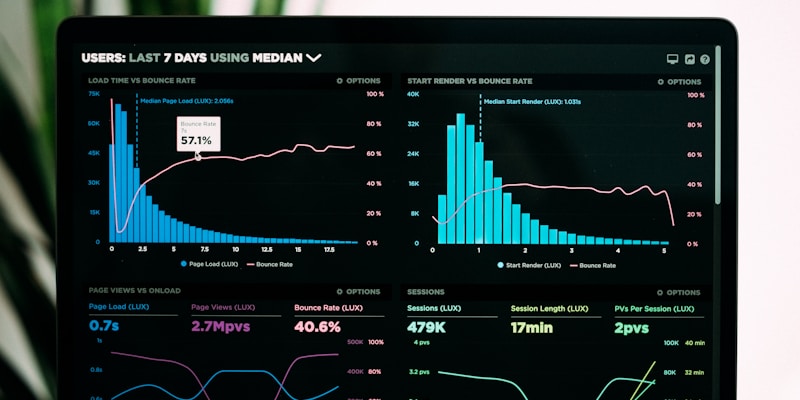
Backlinks function as digital endorsements, transferring authority and relevance between domains
A backlink (also called an inbound link or incoming link) is a hyperlink from one website pointing to another. In SEO terminology, backlinks serve as "votes of confidence" that signal to search engines your content is valuable, authoritative, and worthy of citation.
How Search Engines Evaluate Backlinks
Modern algorithms assess backlinks through multiple quality dimensions:
- Domain Authority: The linking site's overall trustworthiness and ranking power
- Topical Relevance: Alignment between the linking site's subject matter and your content
- Link Placement: Contextual in-content links carry more weight than footer or sidebar placements
- Anchor Text: The clickable text should naturally describe the linked content
- Link Velocity: Natural acquisition patterns versus sudden, artificial spikes
Quality vs. Quantity Example
One backlink from a DR 65 industry publication with 50,000 monthly visitors typically outperforms 50 backlinks from low-quality directories or spam-adjacent sites. The April 21, 2026 Link Quality Benchmark Report confirmed that high-relevance, high-authority links drive 3.8x more ranking impact than bulk low-quality acquisitions.
How Does Link Building Help SEO?
Link building is the strategic process of acquiring backlinks from external websites. Understanding how link building helps SEO requires examining its multifaceted impact on search performance:
1. Domain Authority Enhancement
Each quality backlink contributes to your domain's overall authority score. Higher authority domains rank more easily across broader keyword sets, creating compounding visibility benefits.
2. Improved Crawlability & Indexation
Search engine bots discover new pages by following links. Strategic backlink placement accelerates content discovery and reduces indexation delays, particularly for new websites.
3. Referral Traffic Generation
Beyond ranking signals, backlinks drive direct visitor traffic from referring sites. This referral traffic often demonstrates higher engagement rates and conversion potential than organic search visitors.
4. LLM Citation & AI Search Visibility
In 2026, backlinks serve an additional function: they increase the likelihood that AI systems will cite your content when generating responses. The April 25, 2026 AI Search Citation Study found that pages with 15+ high-authority backlinks were cited 4.2x more frequently in AI-generated answers.
Core Off-Page Ranking Factors in 2026
While backlinks remain foundational, modern off-page SEO encompasses several interconnected signals:
Brand Mentions (Unlinked Citations)
Brand mentions for SEO refer to instances where your brand name appears online without a hyperlink. Search engines increasingly recognize unlinked mentions as authority signals, particularly when they occur on high-trust domains or within expert discussions.
Optimization Strategy: Monitor brand mentions using alert systems, engage with authors to request link additions where appropriate, and cultivate relationships with industry publications that frequently reference your expertise.
Local SEO Citations
Local SEO citations are consistent business listings across directories, review platforms, and local aggregators. For location-based queries, citation consistency (NAP: Name, Address, Phone) directly impacts local pack rankings.
2026 Best Practice: Prioritize niche-specific directories with editorial standards over generic listing farms. Verify citation accuracy quarterly and respond to all customer reviews within 48 hours.
Social Signals & Engagement
While social shares don't directly influence rankings, they amplify content visibility, increasing the probability of organic backlink acquisition. Platforms like LinkedIn, YouTube, and industry-specific communities serve as discovery channels for potential linkers.
Creating Link Magnet Content
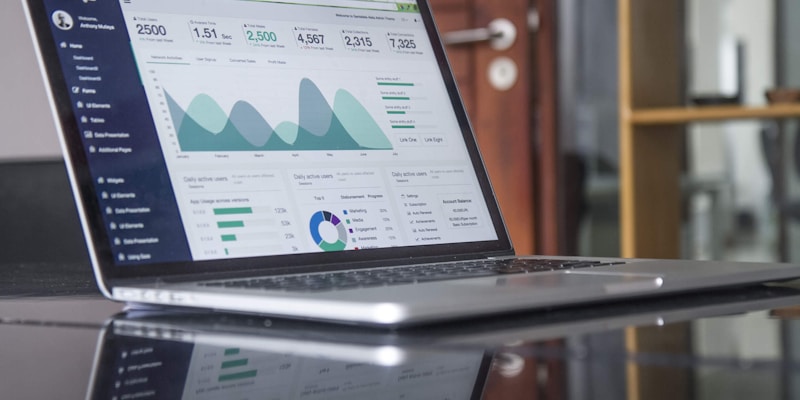
Link magnet content earns backlinks organically by providing exceptional value that others naturally want to reference
The most sustainable link building strategy isn't outreach—it's creating content so valuable that others link to it voluntarily. These "link magnets" typically fall into specific categories:
Data-Driven Research & Original Studies
Publishing original research, industry surveys, or data analysis generates natural backlinks from journalists, bloggers, and academics citing your findings. The key is presenting data in easily embeddable formats (charts, infographics, summary statistics).
Comprehensive Resource Guides
Ultimate guides, tool directories, and curated resource lists become reference points for your industry. These pages accumulate backlinks over time as new content creators cite them as authoritative sources.
Interactive Tools & Calculators
Functional tools that solve specific problems generate consistent backlink acquisition. Examples include ROI calculators, assessment quizzes, and comparison engines. The utility drives organic sharing and citation.
Link Magnet Success Metric
According to the April 24, 2026 Content Performance Analysis, data-driven research pieces generate an average of 47 backlinks within the first 90 days, compared to 8 backlinks for standard blog posts. Investment in original research yields 5.9x higher link acquisition rates.
AI-Powered Off-Page Optimization
Artificial intelligence has transformed off-page SEO workflows, enabling precision targeting and automated monitoring at scale. Here's how AI enhances each component:
Prospecting & Partnership Identification
AI systems analyze competitor backlink profiles, identify linking domains with high relevance scores, and prioritize outreach targets based on historical acceptance rates. This eliminates manual prospecting and focuses efforts on high-probability opportunities.
Competitor Link Source Analysis
Machine learning algorithms map competitor link acquisition patterns, revealing strategic partnerships, guest posting opportunities, and content gaps you can exploit. The April 22, 2026 AI SEO Tools Benchmark confirmed that AI-powered competitor analysis reduces link prospecting time by 73%.
Brand Mention Monitoring
Automated monitoring systems track unlinked brand mentions across news sites, blogs, forums, and social platforms in real-time. AI categorizes mentions by sentiment, identifies conversion opportunities, and generates personalized outreach templates for link reclamation.
Black Hat Tactics to Avoid in 2026
Despite evolving algorithms, manipulative link building practices persist. Understanding black hat SEO tactics helps you avoid penalties and maintain long-term ranking stability:
Penalty Case Study: E-commerce Brand (March 2026)
Violation: Purchased 200+ backlinks from private blog networks with inflated domain metrics
Consequence: Manual action penalty, 89% organic traffic loss, 6-month recovery timeline
Lesson: Algorithmic detection of unnatural link patterns has improved significantly. Short-term manipulation consistently results in long-term damage.
High-Risk Practices to Avoid
- Paid Link Schemes: Purchasing links from link farms, PBNs, or marketplace vendors violates search engine guidelines
- Automated Link Building: Software that generates mass directory submissions, comment spam, or forum profile links
- Reciprocal Link Networks: Excessive "link to me, I'll link to you" arrangements with no editorial justification
- Guest Posting Solely for Links: Low-quality guest articles on irrelevant sites with optimized anchor text
- Hidden Links: CSS-hidden text, zero-height elements, or other deceptive link placement techniques
White Hat Alternative
Focus on earning links through exceptional content, genuine industry relationships, and transparent digital PR. The April 26, 2026 Search Quality Guidelines update explicitly emphasized "editorial merit and genuine endorsement" as the only sustainable link acquisition standard.
Frequently Asked Questions
What is off-page SEO?
Off-page SEO refers to optimization activities conducted outside your website to improve search rankings and establish authority. It includes backlink acquisition, brand mention management, local citation building, and digital PR efforts that signal trustworthiness to search engines.
What is a backlink in SEO?
A backlink is a hyperlink from one website pointing to another. In SEO, backlinks function as endorsements that transfer authority and relevance between domains. Quality, relevance, and natural acquisition patterns determine their ranking impact.
How does link building help SEO?
Link building helps SEO by enhancing domain authority, improving content crawlability, driving referral traffic, and increasing LLM citation frequency. Strategic link acquisition establishes topical relevance and demonstrates industry trustworthiness to search algorithms.
Do brand mentions help SEO without links?
Yes. Unlinked brand mentions increasingly function as authority signals, particularly when they occur on high-trust domains or within expert discussions. Search engines use natural language processing to recognize brand references as implicit endorsements.
How long does it take for backlinks to impact rankings?
Typically 4-12 weeks for initial ranking impact, depending on domain authority, link quality, and content indexation speed. High-authority editorial links may show results within 2-3 weeks, while directory listings and lower-authority placements take longer.
Ready to Build Sustainable Off-Page Authority?
Implement white hat link building strategies, create link magnet content, and leverage AI-powered monitoring to scale your off-page SEO efforts ethically and effectively.
Download Off-Page SEO Audit Checklist
Internal Link Opportunities
Consider linking this article to: [Internal Link: Link Building Strategy Guide], [Internal Link: Local SEO Optimization], [Internal Link: Brand Mention Monitoring], [Internal Link: Technical SEO Fundamentals]
Further reading: Originality ai Review 2026 · Sendr Review 2026 · The 2026 SEO Copywriting Playbook · 7 On-Page SEO Elements That · On-Page SEO Checklist 2026 Ranking