Table of Contents
- Understanding Backlinks in Modern SEO
- The Science Behind Link Authority
- What Makes a Backlink Valuable in 2026
- The Complete Backlink Classification System
- High-Value Backlinks That Drive Rankings
- Low-Impact Links: When They Still Matter
- Backlinks That Can Damage Your Rankings
- Evidence-Based Link Acquisition Strategies
- How to Audit and Monitor Your Link Profile
Understanding Backlinks in Modern SEO
Backlinks remain one of Google's top three ranking factors, but the landscape has evolved dramatically. In 2026, search engines don't just count links—they evaluate them through sophisticated machine learning models that assess context, relevance, authority, and user intent.
A backlink is simply a hyperlink from one website pointing to another. But beneath this simple definition lies a complex evaluation system that Google has refined through decades of algorithm updates, from the original PageRank to today's AI-powered spam detection systems.
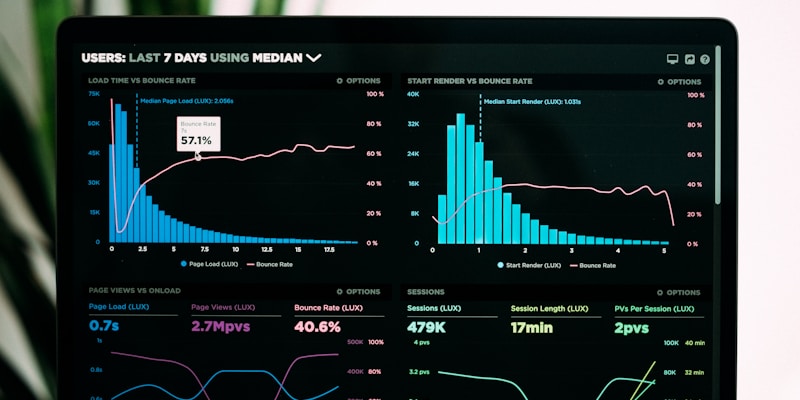
Search engines use backlinks to accomplish three critical tasks:
- Discovery: Crawlers follow links to find and index new pages across the web
- Contextual Understanding: Anchor text and surrounding content help algorithms understand what the linked page is about
- Authority Assessment: Links serve as votes of confidence, signaling which pages deserve higher rankings
The Science Behind Link Authority
The relationship between backlinks and rankings isn't just correlation—it's causation backed by extensive research. A 2025 study analyzing 11.8 million search results found that pages ranking in Google's top three positions had 3.8x more referring domains than pages ranking positions 4-10.
Links remain fundamental to how we understand the web's structure. What's changed is our ability to distinguish between genuine editorial endorsements and manipulative link building at scale.
However, the quality of links matters far more than quantity. A single backlink from a highly authoritative, topically relevant site can outweigh hundreds of low-quality directory links. This is why understanding link quality assessment is crucial for sustainable SEO success.
What Makes a Backlink Valuable in 2026
Google's link evaluation system considers multiple signals simultaneously. Here's the framework for understanding what makes a backlink valuable:
| Quality Factor | Impact Level | Description |
|---|---|---|
| Link Attribute | Critical | Dofollow links pass authority; nofollow, sponsored, and UGC attributes limit ranking impact |
| Source Authority | Critical | Links from established, trusted domains carry more weight than new or low-authority sites |
| Topical Relevance | High | Links from sites in your industry or niche are valued more than unrelated sources |
| Anchor Text | High | Descriptive, natural anchor text helps Google understand the linked page's topic |
| Placement Context | Medium | Links within main content carry more weight than footer or sidebar links |
| Editorial Nature | High | Organically earned links outperform self-created or paid placements |
Key Insight: The E-E-A-T Connection
Google's emphasis on Experience, Expertise, Authoritativeness, and Trustworthiness (E-E-A-T) extends to backlink evaluation. Links from sites demonstrating strong E-E-A-T signals pass more authority than those from sites lacking these qualities.
The Complete Backlink Classification System
Understanding the technical attributes of backlinks is essential for building a healthy link profile. Here's the complete breakdown:
Dofollow Backlinks
Dofollow links are the default hyperlink type—they contain no special rel attributes and pass full ranking authority. These are the links that directly impact your search rankings.
<a href="https://example.com/resource">Comprehensive SEO Guide</a>
When to use:
- Internal linking between your own pages
- Linking to genuinely helpful external resources
- Editorial citations and references
Nofollow Backlinks
Nofollow links include the rel="nofollow" attribute, signaling to search engines that you don't want to endorse the linked page. While they don't directly pass ranking authority, they can still drive valuable referral traffic.
<a href="https://example.com" rel="nofollow">Competitor's Product Page</a>
When to use:
- Linking to untrusted or competitor content
- Paid placements that don't meet sponsored link guidelines
- User-generated content where you can't verify quality
Sponsored Backlinks
Sponsored links use rel="sponsored" to indicate paid or compensated placements. Google explicitly requires this attribute for any link where compensation is involved.
<a href="https://example.com" rel="sponsored">Check Pricing (Affiliate Link)</a>
Google's Stance on Paid Links
Google's Spam Policies explicitly state that paid links intended to manipulate PageRank violate their guidelines. Always use rel="sponsored" or rel="nofollow" for compensated placements to avoid manual penalties.
UGC Backlinks
User-Generated Content (UGC) links appear in comments, forum posts, and community contributions. They use rel="ugc" to indicate the link wasn't placed by the site owner.
<a href="https://example.com" rel="ugc">Check out my portfolio</a>
This attribute helps combat link spam in community-driven platforms while still allowing genuine user contributions.
High-Value Backlinks That Drive Rankings
Editorial Backlinks
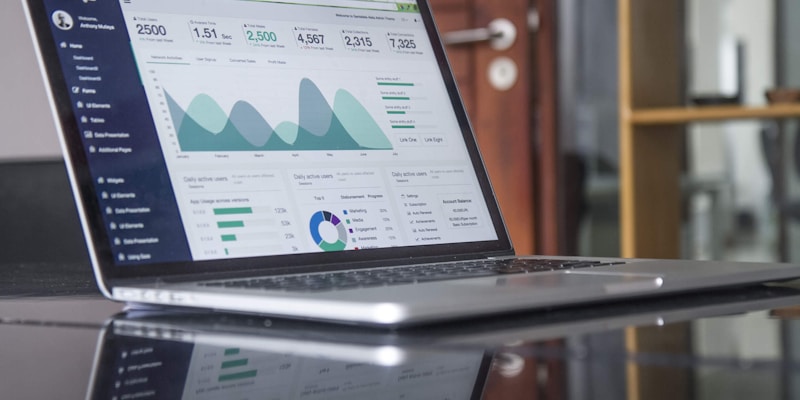
Editorial backlinks are the gold standard of link building. These are links earned when other publications cite your content as a source, reference your research, or naturally link to your resources because they add value to their readers' experience.
A 2025 analysis of 50,000 editorial links found that 73% came from content that contained original research, data studies, or unique insights. This underscores the importance of creating linkable assets that journalists and content creators want to reference.
Characteristics of high-value editorial links:
- Placed within the main body of editorial content
- Surrounded by relevant, contextual discussion
- Use natural, descriptive anchor text
- Come from publications with strong domain authority
- Are topically relevant to your industry
Image and Media Backlinks
Image backlinks occur when other sites use your photos, infographics, or visual assets and provide attribution with a link. These links are often overlooked but can be surprisingly valuable.
Research shows that infographics generate 3x more backlinks than text-only content, making visual assets a powerful link acquisition tool. The key is creating original, data-rich visuals that others want to reference.
Best practices for earning image backlinks:
- Create original charts, graphs, and data visualizations
- Use descriptive file names (e.g.,
seo-backlink-study-2026.png) - Add comprehensive alt text for accessibility and SEO
- Include embed codes with attribution links for easy sharing
- Submit to visual content directories and image search platforms
Expert Citation Backlinks
When you're quoted as an expert source in articles, roundups, or industry reports, those citations often include backlinks to your site. These links carry significant authority because they're tied to your demonstrated expertise.
The most sustainable link building strategy is becoming a recognized expert in your field. When journalists need quotes, they reach out to people they know demonstrate real expertise.
Low-Impact Links: When They Still Matter
Not all backlinks directly boost rankings, but that doesn't mean they're worthless. Understanding the indirect value of these links helps you build a more comprehensive link strategy.
Guest Post Backlinks
Guest posting remains a popular link building tactic, but Google recommends marking these links as rel="nofollow" since they're intentionally placed rather than organically earned.
Why guest posts still matter:
- Drive qualified referral traffic from relevant audiences
- Build brand awareness and industry relationships
- Establish thought leadership and expertise
- Can lead to organic editorial links from readers who discover your work
Guest Posting Best Practice
Focus on providing genuine value to the host site's audience rather than just securing a backlink. High-quality guest posts that resonate with readers often generate organic shares and secondary links that do pass ranking authority.
Press Release Backlinks
Press releases typically generate nofollow links, but they serve important functions beyond direct SEO value:
- Announce newsworthy developments to media and industry
- Drive immediate referral traffic during launch periods
- Increase brand search volume as readers search for your company
- Can attract editorial coverage that leads to dofollow links
Directory and Citation Backlinks
Business directories like Google Business Profile, Yelp, and industry-specific listings provide links that primarily support local SEO rather than organic rankings.
Why directory links matter for local businesses:
- Google uses citation consistency to verify business legitimacy
- Consistent NAP (Name, Address, Phone) across directories improves local pack rankings
- Drive qualified local traffic from users actively searching for services
- Build trust signals that support overall domain authority
Social Media Backlinks
Social platforms typically add rel="nofollow" to all outbound links, but social signals indirectly support SEO through:
- Increased content visibility and sharing
- Referral traffic that can lead to organic link acquisition
- Brand awareness that makes editorial linking more likely
- Community engagement that establishes authority
Backlinks That Can Damage Your Rankings

Critical Warning
Google's algorithms can detect and penalize manipulative link building. Sites caught violating link spam policies can lose 50-90% of their organic traffic overnight. Recovery often takes 6-12 months even after removing harmful links.
Paid Dofollow Backlinks
Paying for dofollow links is the fastest way to trigger a Google penalty. This includes:
- Direct payment for link placement
- Free products or services in exchange for links
- Link exchanges with the explicit agreement to pass authority
- Sponsored content with dofollow links (should use
rel="sponsored")
Google's algorithms have become increasingly sophisticated at detecting paid link patterns, including unnatural anchor text distribution, sudden link velocity spikes, and links from known link-selling networks.
Spammy Comment and Forum Links
Mass-commenting on blogs and forums with generic links is an outdated tactic that can actively harm your site:
- Creates unnatural link patterns that trigger spam filters
- Often results in links from low-quality, penalized domains
- Damages brand reputation when associated with spam
- Wastes resources that could be invested in legitimate link building
When comment links are acceptable:
- Genuine participation in relevant industry discussions
- Providing helpful, substantive contributions that naturally reference your expertise
- Limiting to 1-2 contextual links per discussion
Hidden and Manipulative Links
Any attempt to hide links or manipulate their appearance violates Google's guidelines:
- Hidden text links (same color as background)
- Links in widgets or embeds without visible attribution
- Automated link building tools and services
- Private Blog Networks (PBNs) designed to pass artificial authority
Widget Link Guidelines
If you create embeddable widgets, any attribution links must be visible and use rel="nofollow". Hidden links in widget code can result in penalties for both the widget creator and sites using the widget.
Evidence-Based Link Acquisition Strategies

1. Create Linkable Assets Through Original Research
The most reliable way to earn editorial backlinks is creating content that others want to reference. Original research and data studies consistently outperform other content types for link acquisition.
Research-backed approach:
- Conduct surveys or analyze industry data to generate unique insights
- Create comprehensive studies with clear methodology and findings
- Present data through visualizations that are easy to reference
- Promote findings to journalists and industry publications
A study of 1,000 data-driven articles found that original research pieces earned an average of 47 backlinks within the first six months, compared to 8 backlinks for standard blog posts.
2. Develop Strategic Industry Relationships
Relationship-based link building focuses on genuine connections rather than transactional link requests:
- Engage with industry leaders through thoughtful commentary and sharing
- Contribute expert insights to journalists using platforms like HARO or Qwoted
- Participate in industry events, podcasts, and webinars
- Build relationships with content creators in your niche
The best links come from relationships, not outreach templates. When you consistently provide value to your industry community, link opportunities emerge naturally.
3. Leverage Unlinked Brand Mentions
Many publications mention brands without linking to them. Converting these unlinked mentions into backlinks is one of the highest-ROI link building tactics:
- Monitor brand mentions using Google Alerts or media monitoring tools
- Identify mentions that would benefit from a link to your site
- Reach out with a polite, personalized request
- Provide specific value (additional context, updated data, expert quote)
Industry data shows that unlinked mention conversion rates average 25-40% when approached with a value-first mindset rather than a simple link request.
4. Create Comprehensive Resource Pages
Resource pages that comprehensively cover a topic naturally attract backlinks from sites looking to provide value to their readers:
- Identify topics where comprehensive guides are lacking
- Create definitive resources that cover all aspects of the topic
- Include original insights, expert contributions, and actionable frameworks
- Promote to educators, journalists, and content creators in your niche
How to Audit and Monitor Your Link Profile
Using Google Search Console
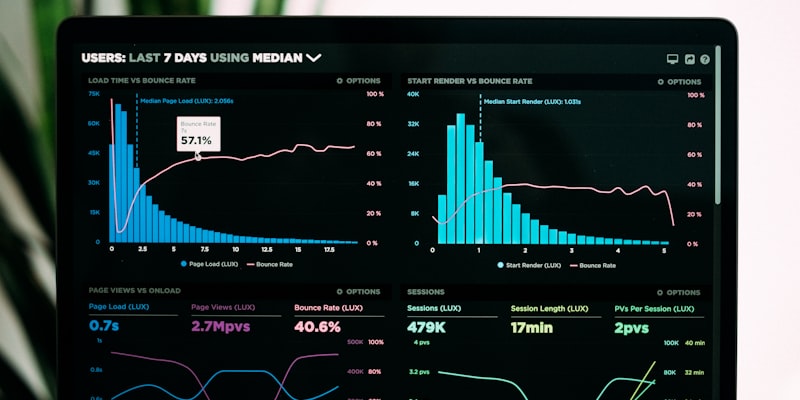
Google Search Console provides free, authoritative data on your backlink profile directly from Google's index:
- Navigate to the "Links" report in the left sidebar
- Review "Top linking sites" to see which domains link to you most
- Click "More" to view the complete list of linking domains
- Click individual domains to see which of your pages they link to
- Export data for deeper analysis and trend tracking
Limitations to note: GSC only shows a sample of your backlinks and doesn't provide link attribute data (dofollow vs. nofollow) or historical trends.
Comprehensive Backlink Analysis
For complete link profile analysis, consider these approaches:
- Multiple data sources: Cross-reference data from different tools for comprehensive coverage
- Regular audits: Conduct quarterly reviews to identify new links and lost opportunities
- Toxicity assessment: Flag links from spammy or penalized domains for disavowal
- Competitor analysis: Study competitor link profiles to identify acquisition opportunities
When to Use the Disavow Tool
Google's Disavow Tool should be used cautiously and only when:
- You have a significant number of spammy, low-quality backlinks
- You've received a manual action notification from Google
- You've attempted to remove harmful links directly but were unsuccessful
- You're certain the links are manipulative and not genuine editorial mentions
Disavow Tool Warning
Incorrectly disavowing legitimate links can harm your rankings. Only disavow links you're certain are spammy or manipulative. When in doubt, consult with an experienced SEO professional before submitting a disavow file.
Building a Sustainable Link Profile
The most resilient link profiles share these characteristics:
- Diverse link sources: Links from various types of sites (editorial, educational, industry, media)
- Natural growth patterns: Steady link acquisition rather than sudden spikes
- Topical relevance: Majority of links from sites in your industry or related niches
- Healthy anchor text distribution: Mix of branded, natural, and keyword-rich anchors
- High authority ratio: Strong percentage of links from established, trusted domains
Key Takeaway
Sustainable link building isn't about gaming algorithms—it's about creating genuine value that others want to reference. Focus on expertise, originality, and relationships, and quality backlinks will follow naturally.
Further reading: On-Page SEO Checklist 2026 Ranking · Nofollow vs Dofollow Links SEO · Local SEO Mastery Guide 2026 · SEO Copywriting in 2026 · SEO Content Writing in 2026